The Chinese Industrial Cooperatives: A Literature Review

Author: Yang Zhouzidi (Jinan University, China)

The Chinese Industrial Cooperatives (CIC) played an important role in international cooperation and Chinese economic reconstruction during the Second World War. For this reason, scholars worldwide have paid it sustained attention. Existing research on the movement falls into five categories: general studies, studies of its nature and evaluation, studies of major events, studies of key figures, and regional studies.

In terms of general studies, American scholars began researching the CIC in the 1940s. They examined the foundations of the cooperative movement in China before the rise of the CIC and analyzed Chinese economic conditions at the time. They also outlined its organizational structure, such as the regional headquarters, the International Committee, and the overseas Promotion Committees.[1] In his dissertation, Reynolds analyzes internal conflicts within the Nationalist Government concerning the CIC and discusses postwar relief and reconstruction issues.[2] Mainland Chinese scholar Hou Dechu studies the origins and examples of the cooperative movement in China. He examines the relationships among the Chinese Communist Party, the Nationalist Government, international aid, and the CIC movement. He argues that the movement’s failure was due to its reformist and capitalist nature.[3] Zhu Jian focuses on the rise and development of the movement, especially in the anti-Japanese base areas behind enemy lines. He also discusses the revival of CIC organizations after China’s Reform and Opening in the 1980s. However, he does not provide a systematic study of the CIC movement in Northwest China beyond Yan’an.[4] Kikuchi Kazutaka offers qualitative analysis of different areas where the CIC activities were prevalent. He uses archival materials from Taiwan and makes preliminary use of oral history methods. His work is so far the most detailed and comprehensive study that reveals regional differences within the CIC. However, although he utilizes relatively abundant archival materials, his main sources are still newspapers and magazines.[5]
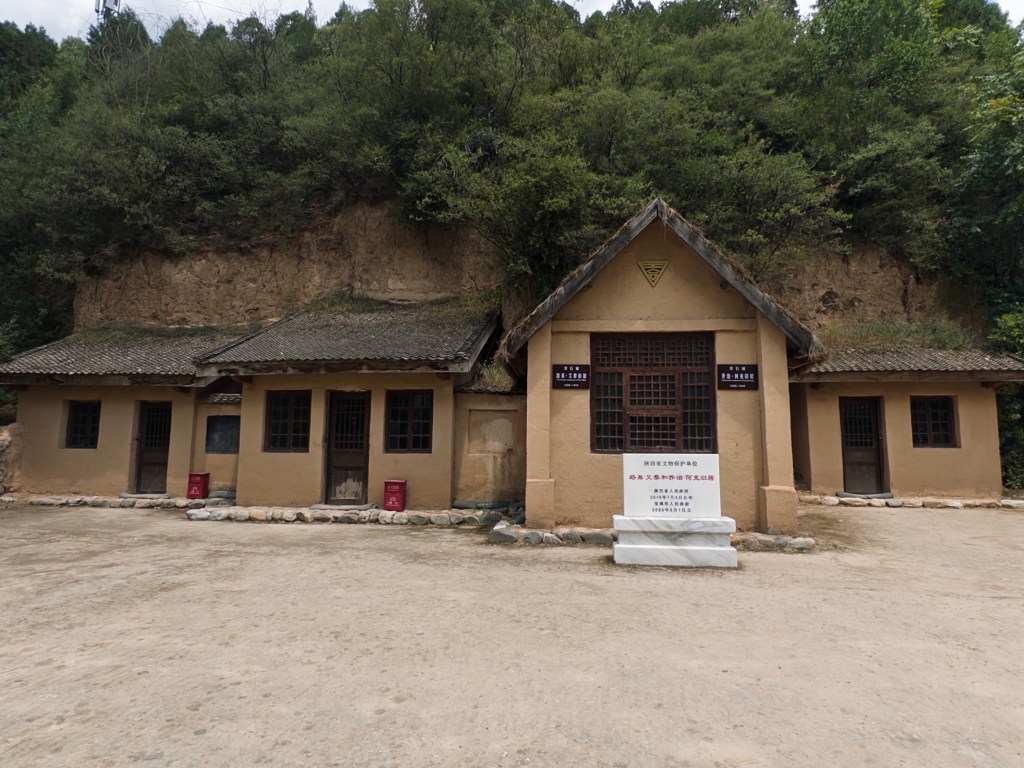
A historical building made of earth and wood, featuring a traditional sloped roof, with a sign in front and surrounded by greenery and steep terrain.
Former residence of Rewi Alley at the Baoji Headquarters. Photo: Yang Zhouzidi

Scholars hold two main views on the nature and evaluation of the CIC. The first emphasizes its economic function. For example, Hou Dechu defines it as an “economic salvation movement during the War of Resistance against Japan” and as “an important link in the united anti-Japanese front at home and abroad.” At the same time, he criticizes it as a form of “reformist democratic system.”[6] The second view emphasizes its educational character. Scholars in this group argue that the CIC was not merely an economic effort, but also a broader movement for economic democracy, political reform, and mass education.[7]

Current scholarship on major events in the CIC mainly covers several aspects. First, scholars have examined the movement’s origins, an issue already discussed in some general studies. Reynolds uses the Helen Snow papers at the Hoover Institution and argues that Helen Snow was the first to conceive the idea, and later received support from her husband, Edgar Snow. The plan was then drafted and promoted by Rewi Alley and others.[8] Second, scholars have examined disputes over overseas funding. Drawing on Indusco archives at Columbia University, Marjorie King and Xiao Xiaofei study the struggle over foreign aid funds.[9] They analyze the conflict between the “Rewi–Ida Axis,” which represented the practical reform group within the CIC, and the bureaucratic group led by Finance Minister H. H. Kung. This debate centered on the control and allocation of overseas donations. In addition, several studies address the relationship between the CIC and the Chinese Communist Party and the Kuomintang, as well as the Bailie School and related institutions.[10]
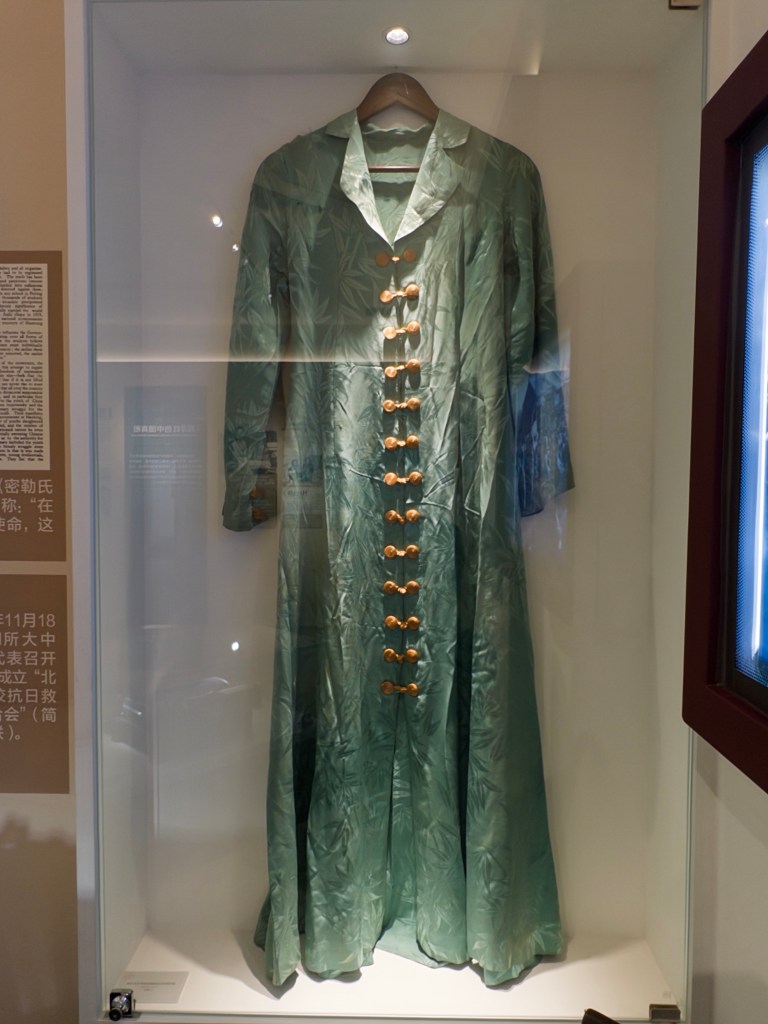
A vintage green silk coat with a collar and wooden buttons, displayed in a glass case.
Helen Foster’s clothing from the 8th Route Army. Photo: Yang Zhouzidi

Studies of key figures in the CIC cover many groups. These include Chinese intellectuals with democratic leanings, members of the Chinese Communist Party and the Kuomintang, and international individuals. Marjorie King examines the life of Ida Pruitt, the founder of the American Committee for the Chinese Industrial Cooperatives. King was among the first scholars to use Ida Pruitt’s archives preserved in the United States.[11] Wu Qing focuses on Bishop Ronald Hall. After outlining the establishment of the International Committee for CIC, she discusses in detail the pressures he faced and the contributions he made as chairman. She also reveals his support for and publicity efforts on behalf of the Chinese Communist Party. Her study makes extensive use of English sources and offers careful textual analysis. It provides an important reference for research on related figures.[12] In addition, other studies examine Maud Muriel Russell,[13] Helen Foster Snow,[14] Chen Hansheng,[15] and overseas Chinese communities.

Regional studies of the CIC mainly focus on three areas: the Northwest, the Southeast, and the Southwest. Among these, research on the Northwest is the most extensive. Li Zongzhi’s study of the CIC in Northwest China is the most representative one.[16] Parley Reynolds takes the CIC in Shandan County as a case study. He carefully examines the conceptual history of the term “cooperative” and explores the practice of workplace democracy within the movement. His approach is innovative and offers important insights.[17] You Haihua reviews the development, characteristics, and functions of the CIC Movement in Southeast China. He uses multiple statistical tables for quantitative analysis, compares the situation of cooperatives across different southeastern provinces, and analyzes their rise and decline. He also points out that the origin of the Bailie School can be traced to the Southeast region.[18]
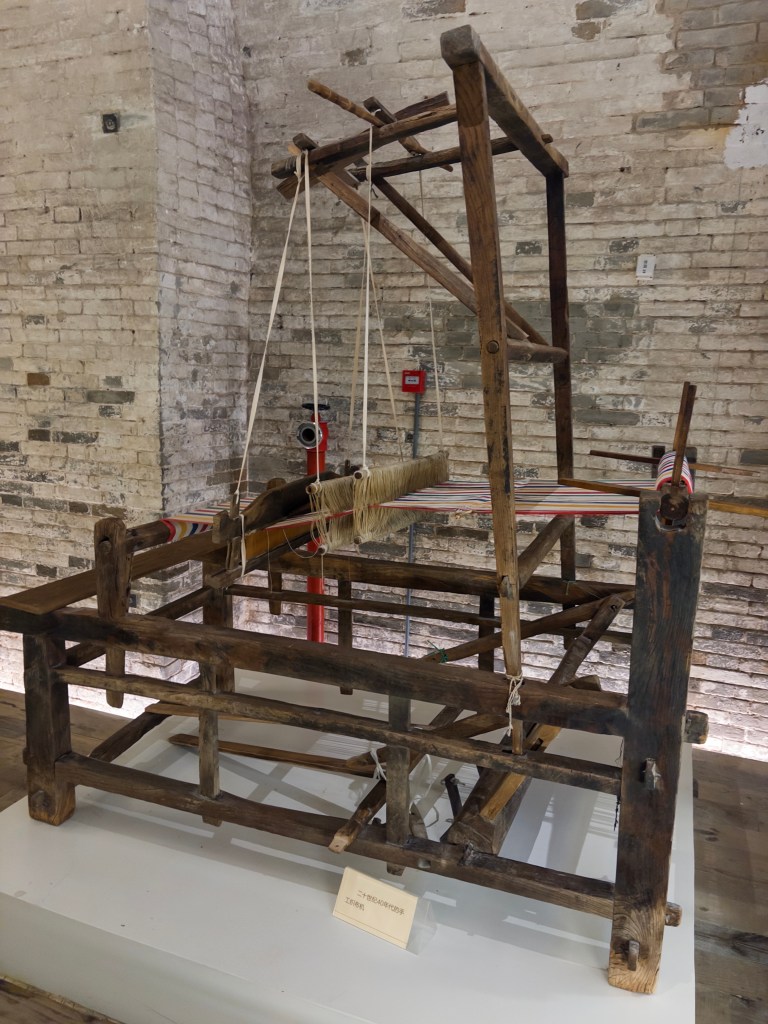
A vintage wooden loom displayed in a rustic setting, featuring a simple structure with horizontal and vertical wooden beams, strings, and colorful threads used for weaving.
The handloom used by the CIC, Changleyuan Wartime Industrial Heritage Site. Photo: Yang Zhouzidi

In conclusion, research on the CIC Movement is quite rich and has clarified several basic issues. There are clear regional differences in existing studies. Mainland Chinese scholars pay more attention to the Northwest region and to the role of the Chinese Communist Party, and they have produced the largest number of research results in the world. Their research methods often focus on case studies, while comparative studies are relatively few. Research in Hong Kong, Macao, and Taiwan is less common, although some collections of historical materials have been published. In contrast, studies in Japan and North America are based on more abundant archival sources than those in mainland China. These studies place greater emphasis on comparative research and long-term analysis. They not only focus on the wartime CIC Movement but also examine its continuation and transformation in the People’s Republic of China.

At the same time, there is still considerable room for further research. As for research subjects, the Chinese Communist Party and the U.S. government remain insufficiently studied due to source limitations. In terms of perspective, most research is rooted in economic history, while fewer studies adopt approaches from political history or Christian history. Geographically, most studies focus on the Northwest and the Sichuan–Xikang region; research on the Southwest and guerrilla areas is relatively limited, and studies on the CIC promotion committees in the United States and Britain are almost absent. As for methodology, most existing research relies on textual analysis of printed documents, while oral history and quantitative methods are rarely used, and there is little truly interdisciplinary research. Taken together, these gaps suggest that the study of the CIC Movement clearly warrants further development.


[1] Shui-man Wong, The Co-operative Movement in China (University of Southern California, 1941); Kyi-ung Dzung, The Chinese Industrial Cooperative Movement (Princeton University, 1944).

[2] Douglas R. Reynolds, “The Chinese Industrial Cooperative Movement and the Political Polarization of Wartime China, 1938–1945” (PhD diss., Columbia University, 1975).

[3] Dechu Hou, 中国工合运动研究 [Research on the Chinese Cooperative Movement] (Sichuan University Press, 1996).

[4] Jian Zhu, 工合历程 [The History of the CIC Movement] (Jincheng Press, 1997).

[5] Kazutaka Kikuchi, 中国工业合作运动史 [The History of the Chinese Industrial Cooperative Movement], trans. Yuan Guangquan et al. (Xiuwei Zixun Press, 2024).

[6] Dechu Hou, “论抗日战争时期的’工合’运动” [Research on the CIC Movement during the War of Resistance against Japan], Journal of Sichuan Normal University, no. 4 (1983): 35–45.

[7] Aiqun Bao, “析工合运动在抗战中的作用与影响” [Analysis of the Role and Influence of the CIC Movement during the War of Resistance against Japan], Journal of Shandong Normal University, no. 2 (2000): 71–73.

[8] Reynolds, “The Chinese Industrial Cooperative Movement and the Political Polarization of Wartime China, 1938–1945.”

[9] Marjorie King, “‘The Rewi-Ida Axis’ and the Politics of American Aid to the Chinese Industrial Cooperatives and the Shandan Bailie School,” in Collected Papers on Rewi Alley’s Internationalist Spirit, ed. Dave Bromwich and Kang Qing (Gansu Renmin Chubanshe, 2017), 153–71; Xiaofei Xiao, “全面抗战时期’工合’运动海外经费之争与中外博弈” [Disputes over Overseas Funding and Sino-Foreign Gaming in the CIC Movement during the Total War of Resistance against Japanese Aggression], Studies of the War of Resistance Against Japanese Aggression, no. 2 (2023): 112–27.

[10] Pauline Keating, “Cooperative Visions versus Wartime Realities: Indusco and the Chinese Communists, 1938–1944,” New Zealand Journal of East Asian Studies 5, no. 1 (1997): 3–17; Jenny Clegg, “Mass and Elite-Based Strategies for Cooperative Development in Wartime Nationalist China: Western Views on the ‘Gung Ho’ Industrial Cooperative Experience,” European Journal of East Asian Studies 11 (2012): 305–27; Jun Li, and Meiling Ren, “中共与工合在延安的经济共建与价值认同” [Recreating the Cooperatives: The Economic Cooperation and Value Identification of the CPC and the International Committee for the Promotion of Chinese Industrial Cooperatives (Gung Ho) in Yan’an], CPC History Studies, no. 4 (2018): 64–76; Xiaofei Xiao, “抗战时期国民党与’工合’运动关系探析” [Research on the Relationship between the Kuomintang and the Chinese Industrial Cooperative Movement during the War of Resistance against Japanese Aggression], Republican Archives, no. 4 (2024): 81–94.

[11] Marjorie King, China’s American Daughter: Ida Pruitt (1888–1985) (The Chinese University Press, 2006).

[12] Qing Wu, “何明华与抗战时期中国工合运动述论” [Bishop Hall and the Chinese Industrial Co-operative Movement during the Second Sino-Japanese War], Republican Archives, no. 1 (2012): 108–14.

[13] K. K. Garner, “Challenging the Consensus: Maud Muriel Russell’s Life and Political Activism” (PhD diss., University of Texas at Austin, 1995).

[14] Kelly Ann Long, “To the Yen-an Station: The Life and Writing of Helen Foster Snow (a.k.a. Nym Wales)” (University of Colorado, 1998).

[15] Stephen R. MacKinnon, Chen Hansheng: China’s Last Romantic Revolutionary (Chinese University of Hong Kong Press, 2023).

[16] Zongzhi Li, “西北工合运动述略” [A Brief Account of the Industrial Cooperative Movement in Northwest China], Journal of Northwest University, no. 3 (1983): 28–35.

[17] Parley Reynolds, “Democratic Member Control in Chinese Cooperatives: A Study of the Gung Ho Movement” (Victoria University of Wellington, 2016).

[18] Haihua You, “抗战时期中国东南地区的工业合作” [The Industrial Cooperatives in Southeast China during the War of Resistance against Japanese Aggression], Studies of the War of Resistance Against Japanese Aggression, no. 1 (2015): 110–23.

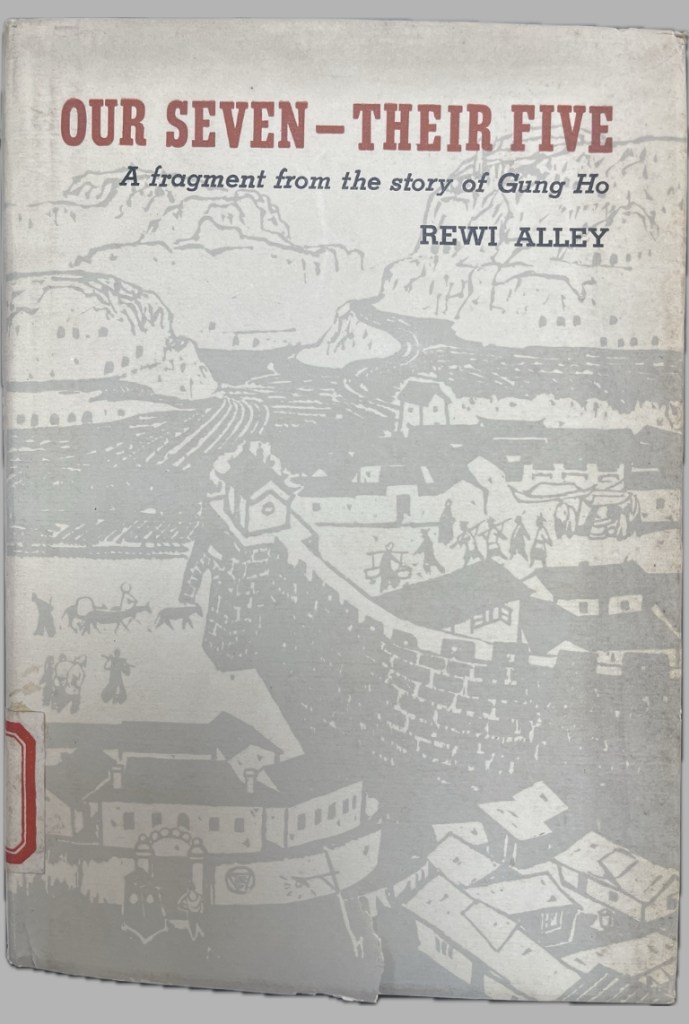
“Our Seven–Their Five”: Everyday Life and Cooperation in Wartime China

Our Seven–Their Five: A Fragment from the Story of Gung Ho is a fictional work by Rewi Alley, the technical director of the Chinese Industrial Cooperatives during the Second Sino-Japanese War. Alley wrote this story in 1943, while living in a village in the Qinling Mountains of Shaanxi Province. He had recently returned from Hunan, where he observed famine conditions and the devastating effects of the Japanese advance. Drawing on these experiences, he produced a vivid portrait of ordinary life in wartime China. However, the book was not published until 1963, well after the Communist victory, at a time when Chiang Kai-shek was portrayed as a central antagonist of the people’s struggle. Reflecting that political context, Alley depicts the Nationalist regime as obstructing the cooperative movement, a view consistent with 1960s ideological narratives.

Our Seven–Their Five is not centered on one protagonist. Instead, the story follows a group of refugees from Hunan Province who flee famine and war to settle in a small town. There, they meet Fu, a cooperative organizer educated in Beijing, who helps them form a cooperative enterprise. According to the cooperative rules, at least seven people were needed to register a group, but the refugees were only five. They therefore joined forces with seven weavers to reach the required number—hence the title, “Our Seven–Their Five.” With support from the Cooperative Federation, providing loans and organizational guidance, they managed to launch a small but successful operation. Through teamwork and persistence, the refugees began to rebuild their lives.

Indusco Weaving Cooperative

The story stands out because it offers a rare ground-level view of wartime China. Rather than focusing on generals, political leaders, or major battles, Alley documents the daily realities of refugees, laborers, and peasants whose survival depended on cooperation. In his depiction, life and death coexist with unsettling normalcy: people die, yet work continues; tragedy is woven into the fabric of everyday endurance.

There is even humor. In one memorable scene, a foreign inspector visits a cooperative (clearly Alley himself), and local children gossip about how strange the foreigner looks, especially his long nose, which they imagine could dip right into his teacup. Moments like this humanize the story and reflect Alley’s lighthearted way of addressing cultural encounters.

Equally important is his refusal to reduce Chinese society to a simple Communist vs. Nationalist binary. Instead, Alley portrays a complex human landscape shaped by hardship, survival, and moral ambiguity. He writes with empathy for the refugees and displaced people, emphasizing their struggles to adapt to rural life amid famine, disease, and Japanese occupation.

The story also captures the class tensions and corruption that persisted even within the cooperative system. In one episode, we see a local landlord sponsoring a cooperative not out of solidarity but to gain easy access to credit and manipulate grain prices during a period of hyperinflation. Such moments reveal how some cooperatives, especially in Nationalist-controlled areas, were exploited as quasi-private enterprises rather than genuine collectives.

By highlighting these abuses, Alley underscores that the cooperative movement was not uniformly idealistic or successful. Some cooperatives functioned as large factories; others resembled small capitalist ventures; and still others truly fulfilled their mission of mutual aid and community resilience. Amid this uneven landscape, Alley still finds hope in the cooperative spirit and endurance of ordinary Chinese people. 

Our Seven–Their Five was published by New World Press, Beijing in 1963

With National Anti-Japanese Greetings: Mao Zedong and the Chinese Cooperative Movement

On September 25th, 1939, in the Chinese Communist Party’s current capital of Yenan, leader Mao Zedong typed a letter to the Chinese Industrial Cooperative Association detailing his support for the movement and willingness to collaborate to strengthen both the C.I.C. and C.C.P. movements.

Mao Zedong in 1940

Gentlemen:

I am in favor of the establishment of many small industries in China by means
of cooperatives. Your great devotion to such a cause, and the splendid effort
you have made to help our war of resistance, are deeply appreciated.

If it is possible to build this kind of (cooperative) industries in the guerrilla districts of North China, and in the adjacent war regions in the Northwest, the help would be greatly appreciated and warmly welcomed by the Eighth Route Army and my humble self.

I understand that such a plan is in fact already contemplated. It is very
much hoped that it can be realized, for its contribution to our struggle would
be incalculably great.

I would be most grateful if you would convey this thought to your committees
abroad, and to our countrymen overseas. Here I wish especially to thank our
fellow-countrymen in the Philippines, and the (Industrial Co-operatives)
Promotion Committee there, for they have made great efforts to support our
fatherland and the industrial co-operative movement.

In one word, if we struggle hard, and if China and her foreign friends cooperate together, there can be no doubt of our final victory over the Japanese!

With national anti-Japanese greetings,
Mao Zedong.

The C.I.C. movement went on to have a favorable relationship with the Chinese Communist Party, a stark contrast from its antagonistic relationship with many within the Nationalist Party. Although Indusco ultimately fell out of favor with the CCP as well, Mao’s fondness for the idea was evident; it is even thought to have been the inspiration for his Great Leap Forward in 1958.

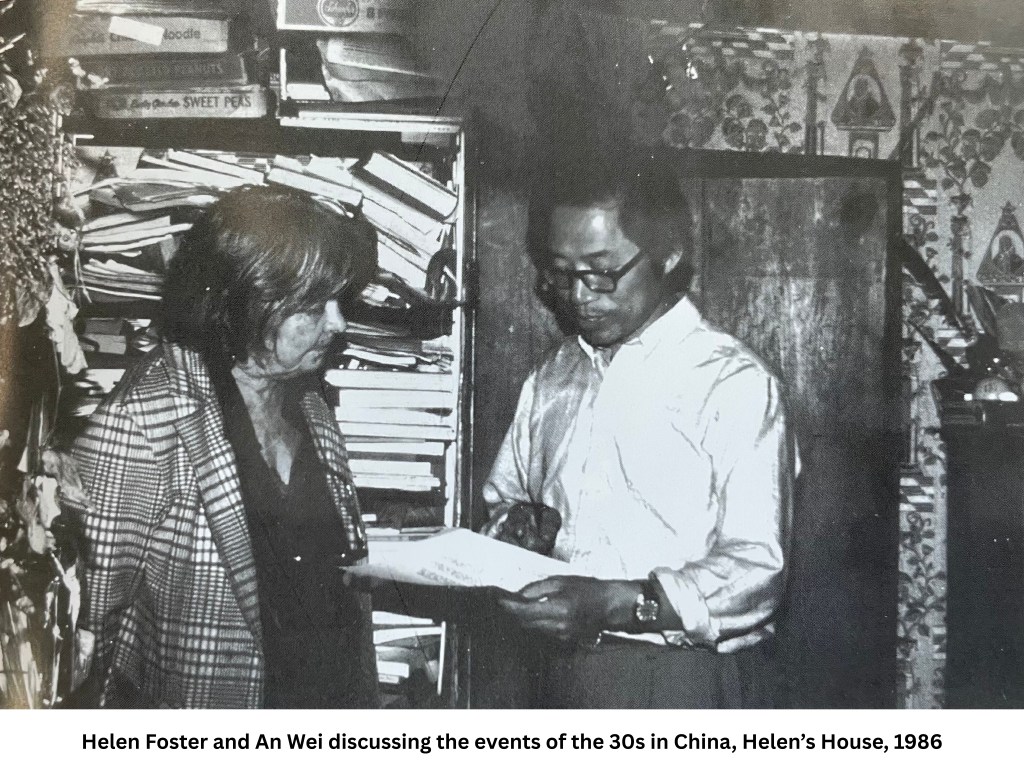
Interpreter, Translator, Friend: An Wei and the Legacy of Helen Foster Snow

An Wei, a scholar and translator, first met Helen Foster Snow during her visit to China in 1978, when he was assigned as her interpreter. Their encounter quickly developed into a lifelong friendship. Moved by her work and story, An Wei took on the task of translating Helen Foster’s writings into Chinese and, during a 1985 stay in Hartford, Connecticut, gained access to her personal archive.

An Wei graduated with a degree in English in 1966. Amid the political turmoil of the Great Proletarian Cultural Revolution, he was appointed an English interpreter at the Foreign Affairs Office of the Shaanxi Provincial Government. At the time, China received very few foreign visitors, and much of An Wei’s work involved studying Mao Zedong’s writings in English. In 1970, he was allowed to observe American journalist Edgar Snow’s visit to Yan’an from a distance because only senior cadres could attend these high-level missions. Despite the lack of direct interaction, An Wei was inspired to read more of Snow’s work. In 1971, after being reassigned to the Yan’an History Museum, he encountered additional English-language materials about China, including Edgar Snow’s Red Star Over China and Helen Foster Snow’s Inside Red China.

By 1978, when Helen Foster Snow was preparing to return to China for a short trip, An Wei had resumed his position in the Provincial Foreign Affairs Office. Although he was not the first interpreter selected by officials, Helen Foster specifically requested his assistance due to his fluency in English and knowledge of revolutionary history. This request allowed them to travel together and marked the beginning of a deeper intellectual and personal connection.

Their correspondence continued after the trip, with Helen frequently asking An Wei to help publish her writings in China. In 1982, during a Chinese delegation’s visit to Minnesota, the group briefly met Helen Foster in her Madison home. An Wei’s access to her personal papers came during his residency as a Visiting Scholar at Trinity College in Hartford, Connecticut, from September 1985 to September 1986. During that year, he visited her almost weekly and worked closely with her manuscripts. It was during this period that he also rediscovered the letters he had written to her, which he later published in Chinese.

An Wei served as a translator during numerous high-level diplomatic missions, including visits by U.S. President Jimmy Carter, Vice President Walter Mondale, and Secretary of State Henry Kissinger. He has translated and published 18 books and more than 100 articles in both Chinese and international publications.

(Based on An Wei’s own account of his relationship with Helen Foster Snow in An Wei Wenji, 2013.)

Understanding Hyperinflation in Wartime China (1938-1945)

Before we can delve into financial information, I thought it important to contextualize the numbers by providing a brief explanation of the inflation China experienced during the war. During the war, Japan attacked China not only on the battlefield, but also in their wallets. By printing counterfeit bills and creating puppet currencies, Japan worked to weaken the purchasing power of the fabi, the Chinese currency at the time. This, in turn, created a period of hyperinflation that created great turmoil for the Chinese people and the ruling Nationalist Government.

I felt that the best way to show the sheer scale of the hyperinflation China faced during this time was to compare it to the inflation in the US over the early 2020s. I’ll be looking at and comparing two seven-year periods, WWII China from 1938-1945, and the United States from 2018-2025. Imagine you walk into a store in New York in 2018 and decide you want a new pair of $100 shoes. You, as any person would, decide to save up for seven years to get them. CPI data tells us that when you walk back into that store seven years later, you would find the shoes now cost roughly $128.16. The inflation shown here was the most important issue during the 2024 election and likely heavily influenced the outcome. Imagine now, if this store were in China during WWII. When you walked back in seven years later, you would’ve found the shoes cost roughly $124,119.61! This is due to the incredible levels of inflation seen at the time. Where inflation in America reached its peak at ~6.5% in 2022, China’s annual inflation rates rose as high as an estimated 277.70% in 1945!

*Monthly production numbers could not be calculated for the June 1939 date. (Numbers taken from China Handbook 1937-1945 and calculations by Douglas R. Reynolds’ dissertation “THE CHINESE INDUSTRIAL COOPERATIVE MOVEMENT AND THE POLITICAL POLARIZATION OF WARTIME CHINA”. 1975

This is a graph displaying the value of goods produced by Indusco factories in a given month. Just from looking at this graph, it didn’t make sense to me. When reading the graph, it seems obvious that the Indusco movement only grew stronger and more productive throughout the early 40s, which contradicts previous data I collected. This data showed a decline both in the number of co-ops and their workers in late 1941 and into 1942, which suggested to me that their productivity must have taken a hit as well. If we instead attempt to adjust these values for inflation, we can begin to see a clearer picture.

Above is a graph showing the same values of production for Indusco as shown previously, but adjusted for inflation by holding the currency’s value constant to its value in July 1937. By doing this, we can observe a more familiar curve showing an increase in production throughout 1940 and up to June of 1941, where production peaked. This was followed by a decline beginning in late 1941 and continuing throughout the rest of the chart.

Jack Chen and the Visual Propaganda of Indusco

One of the major accomplishments of Indusco (the American Committee in Aid of Chinese Industrial Cooperatives) was its international propaganda and fundraising campaign. In addition to publishing the monthly Indusco Bulletin in English to inform foreign supporters about cooperative activities, the Hong Kong-based International Committee for Chinese Industrial Cooperatives produced pamphlets, sent speakers abroad to advocate for China’s wartime cause, and organized fundraising events to support relief efforts. Indusco headquarters also published Chinese-language periodicals and pamphlets that featured workers’ and peasants’ testimonies to mobilize domestic support. While much of this propaganda relied on text, visual materials, such as photographs, drawings, and maps, played a crucial role in communicating the movement’s message.

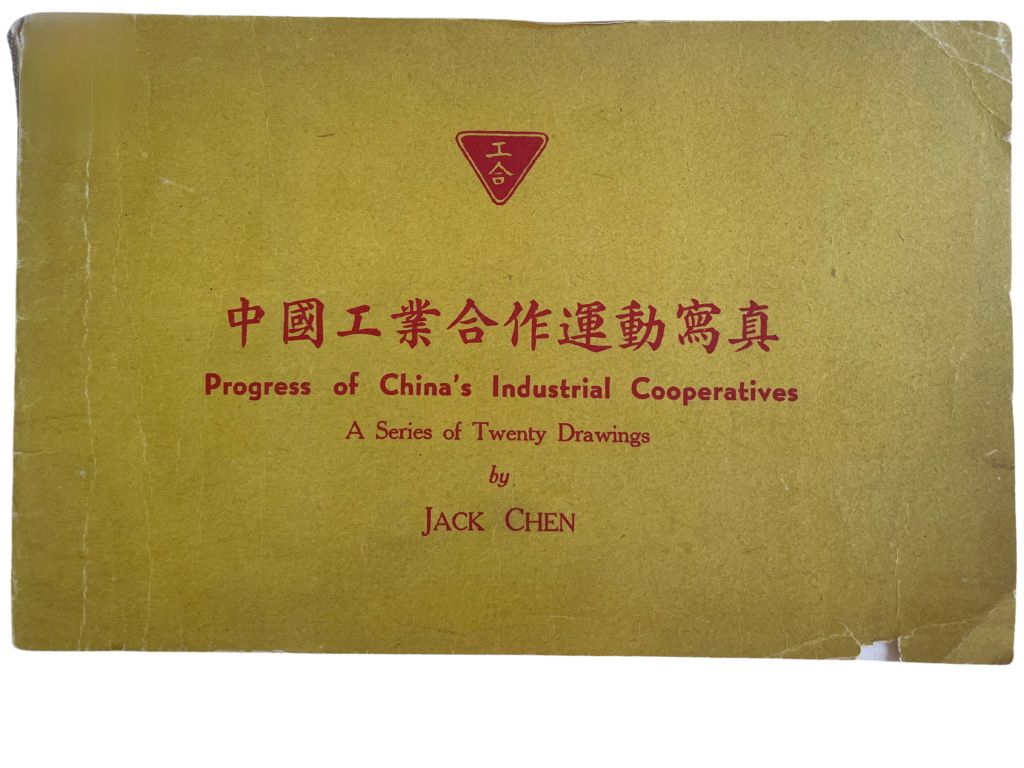
This pamphlet, published by Indusco Inc., featured twenty original drawings by Jack Chen alongside a one-page narrative about the Chinese Industrial Cooperatives. Priced at ten cents, it was sold along with other Indusco publications to help raise funds for the cooperative movement.

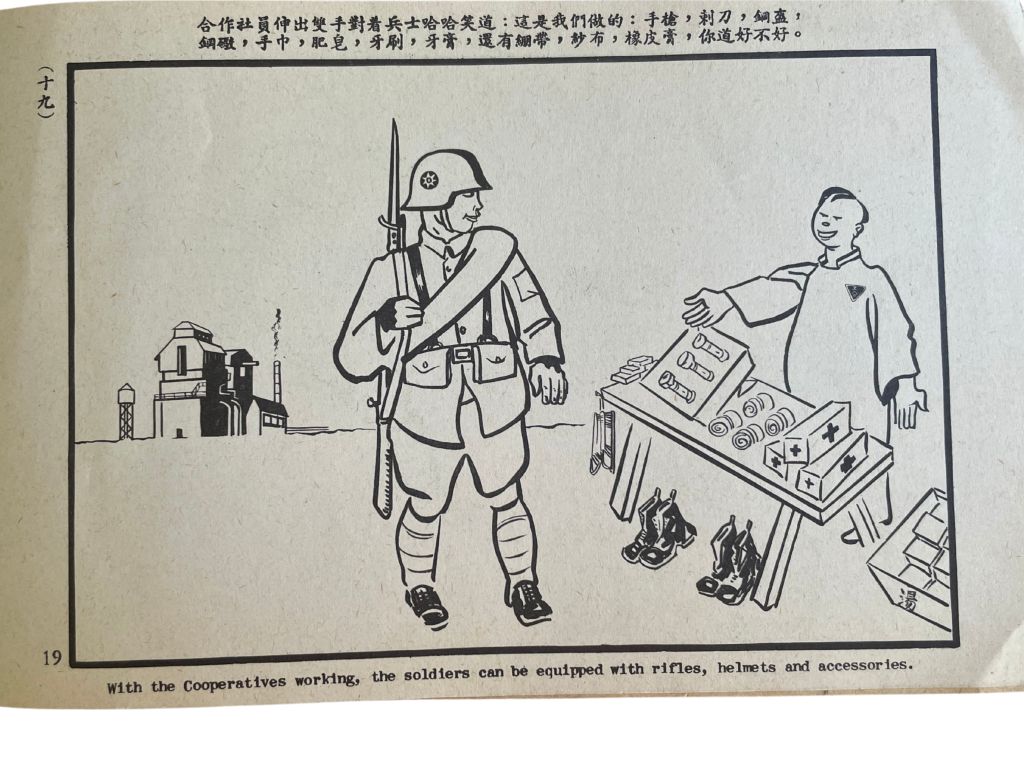
Among these visual materials, Jack Chen’s bilingual pamphlet stood out for its compelling depiction of the goals and accomplishments of the cooperative movement. The booklet, which included twenty original drawings illustrating the importance of industrial cooperatives during the war, was used not only for propaganda but also as a key fundraising tool, promoted widely through the Indusco Bulletin.

The drawings in the pamphlet highlighted the role of industry in China’s resistance to Japanese occupation.

Jack Chen (1908–1995) was one of the leading cartoonists in wartime China. Trained in art in Soviet Russia, he became a major advocate of socialist realism in Chinese art during the 1930s. Born in Trinidad to a biracial family, Chen used his status as a British citizen in China to bypass local censorship. He published widely in both Chinese and international media, organized exhibitions to foster exchange between Chinese and foreign artists, and supported China’s resistance through his artwork.

A communist sympathizer, Chen visited the Communist base in Yan’an in 1938 and wrote about the experience in the January 1939 issue of Asia magazine. He is perhaps best known for his later books, A Year in Upper Felicity: Life in a Chinese Village During the Cultural Revolution, The Sinkiang (Xinjiang) Story, and The Chinese of America. His personal papers are held at the Hoover Institution Library and Archives in California. For a detailed study of his impact on the Chinese art world, see Paul Bevan’s A Modern Miscellany: Shanghai Cartoon Artists, Shao Xunmei’s Circle, and the Travels of Jack Chen, 1926–1938.

Pearl S. Buck and the Repeal of the Chinese Exclusion Act

The Chinese Exclusion Act marked a turning point in American history, as the nation began transforming from a country of immigrants into one of gatekeeping. What began as a series of measures regulating Chinese travel and entry evolved into a sweeping federal law that imposed a 10-year ban on the immigration of Chinese laborers, which would later be extended and made effectively indefinite.

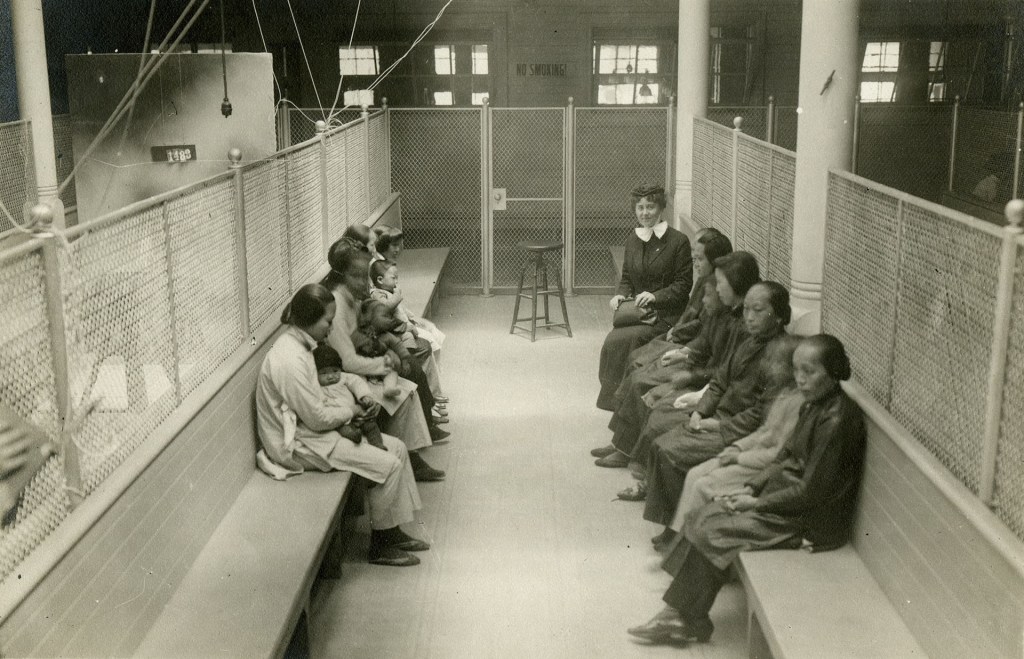
Chinese immigrants were detained for weeks or even months at Angel Island for customs and immigration processing.

The Chinese Exclusion Act was not merely a measure to curb the influx of foreign individuals; it was a calculated effort to define the racial and cultural boundaries of the nation by criminalizing immigrant communities based on their racial otherness. During the exclusion era, Chinese and other Asian people were depicted as uncivilized men who abused their wives and trafficked women as prostitutes. The press portrayed them as cunning, immoral, and prone to crime. Every Chinese man or woman had to prove at the U.S. border that they were neither low-class laborers nor prostitutes. In other words, they had to prove their innocence before being suspected of any wrongdoing.

Background of Chinese Immigration to the US

In the 19th century, as slavery was abolished, the availability of transoceanic passages turned Asians, most of whom were victims of Euro-American colonization, into a potential replacement for slave labor. This led to the emergence of a new labor regime referred to as “indentured labor,” “contract labor,” or the “coolie trade.” Coolies were cheaper than slaves and, perhaps more importantly, were seen as a safeguard against the rising Black population in colonial territories after the Haitian Revolution, which deeply unsettled white colonists. 

Between 1834 and 1930, more than 30 million South Asians left colonial India to work in British colonies across the Caribbean, Pacific, and Indian Ocean. While relatively few Indians reached the Americas, the Chinese became one of the first and largest Asian groups to migrate to North America.

The first Chinese immigrants to the United States were students and merchants, often sponsored by Christian missionaries. When these merchants returned to China with news of the California Gold Rush, hundreds of Chinese laborers rushed to the West Coast. Many traveled under a credit-ticket system, using future earnings in the U.S. to repay their passage to agents. This arrangement later fueled claims that Chinese immigrants were unfree laborers or “coolies.”

In 1864, when mostly Irish, white workers abandoned the grueling labor of building the Central Pacific Railroad, the company hired 50 Chinese workers as a trial. The Chinese proved so cost-effective that by the following year, the company employed around 15,000 Chinese laborers, making up nearly 90% of the workforce. Despite their key role, Chinese workers were excluded from Andrew Russell’s iconic photograph commemorating the completion of the railroad. A lesser-known image by the same photographer, taken minutes earlier, shows Chinese workers laying the final rail.

Andrew J. Russell’s “East and West Shaking Hands at Laying of Last Rail,” commonly known as “The Champagne Photo,” was taken on May 10, 1869. No Chinese worker is seen here.

As Chinese immigration increased, American politicians and capitalists faced a dilemma. On the one hand, they relied on cheap labor to build the nation’s industrial infrastructure. On the other hand, they sought to preserve the so-called purity of the white race. Believing that most Chinese were unfree laborers under conditions akin to slavery, they viewed their presence as a threat to foundational American ideals such as liberty. The outcome was the Chinese Exclusion Act of 1882.

Pearl S. Buck’s China writings

While anti-Chinese bias ran rampant in the U.S., one woman, raised in China by a missionary family, helped open new cultural windows through her writing. In 1930, Pearl S. Buck published her first novel, East Wind: West Wind, portraying the struggles of Chinese women trapped in traditions such as arranged marriage and foot-binding. One of her protagonists is a Chinese man who travels to the U.S., marries an American woman, and faces family rejection. A story that hints early on at Buck’s literary commitment to bridging the Eastern and Western cultures.

Buck’s second novel, The Good Earth, which narrates the story of a Chinese farmer, became the best-selling book in the U.S. in 1931 and 1932, won the Pulitzer Prize for Fiction in 1932, and paved the way for her Nobel Prize in Literature in 1938. The novel had a major impact on American perceptions of Chinese people. In a private letter, journalist Helen Foster Snow described Buck’s greatest achievement: “Buck was able to communicate with the West in universal terms so that she for the first time gave Westerners the sense that the Chinese were human like us and comprehensible.” (Letter to Jane R. Cohen, May 18, 1978, Randolph College Special Collections)

Having spent much of her youth in China, Buck left at age 42 after a divorce and a break with her religious upbringing. She devoted her years in the U.S. to increasing public sympathy for China and raising her adopted children at her Pennsylvania home. In 1935, she married her publisher, Richard John Walsh (1887–1960), who became her closest partner in foreign policy activism during the tumultuous years of World War II.

World War II gave Buck renewed purpose in advocating for the Chinese cause against Japanese occupation. With the U.S. and China now allies against fascism, Buck and Walsh became leaders of wartime citizen activism to influence American policy in East Asia. Buck served on the board of United China Relief, founded the East-West Association, and launched Asia magazine to foster American support for China. She corresponded directly with First Lady Eleanor Roosevelt, advising her on China-related matters. Buck’s vision extended beyond humanitarian relief: she championed Indian independence as a way to strengthen China’s position, advocated for anti-racist military policies to boost nonwhite soldier morale, and spoke out in defense of Japanese Americans facing racial discrimination.

Repealing the Chinese Exclusion Act

Within her broader mission to create a more just world, Buck viewed the Chinese Exclusion Laws as antithetical to American wartime alliances and the core values of human dignity and equality. Her husband, Richard J. Walsh, served as president of the Citizens Committee to Repeal Chinese Exclusion and Place Immigration on a Quota Basis. The group successfully lobbied for the repeal of the exclusion laws, resulting in the Magnuson Act of 1943. This legislation repealed thirteen exclusion acts passed between 1882 and 1913, set a quota of 105 annual Chinese immigrants, and granted Chinese residents in the U.S. the right to naturalize.

Richard Walsh’s letter to the committee urged active advocacy to ensure the bill’s passage.

When signing the bill, President Franklin D. Roosevelt emphasized the symbolic and strategic significance of lifting the ban: “An unfortunate barrier between allies has been removed. The war effort in the Far East can now be carried on with a greater vigor and a larger understanding of our common purpose.” (Franklin D. Roosevelt, Statement on Signing the Bill to Repeal the Chinese Exclusion Laws. Online by Gerhard Peters and John T. Woolley, The American Presidency Project.)

Although restrictions on Chinese immigration would persist in various forms, the activism of Pearl S. Buck and others helped remove a major stain on America’s democratic ideals.

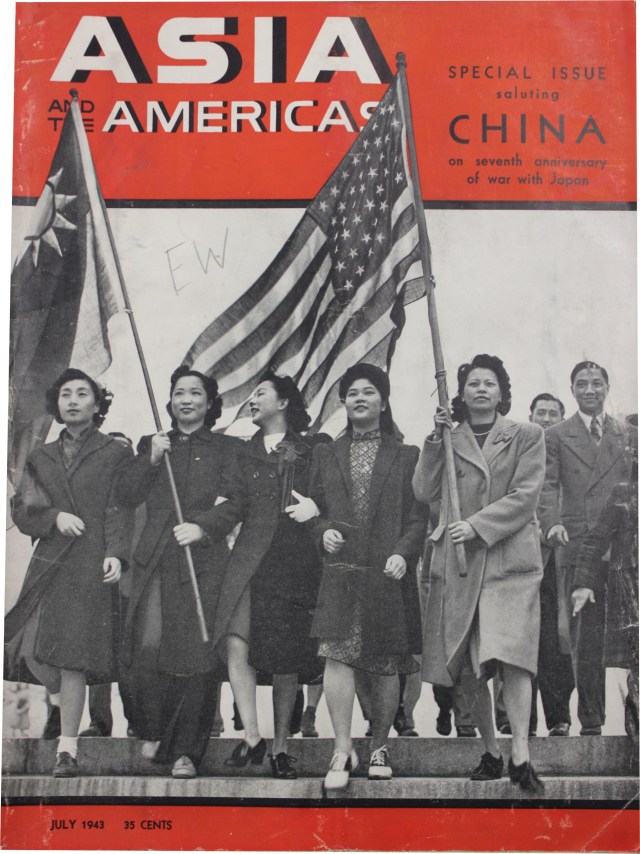
Shaping American views of Asia: A magazine’s decades-long journey

Asia magazine was originally published as the Journal of the American Asiatic Association to promote commercial relations between China, Japan, and the United States.

The cover of Asia magazine from 1943

The American Asiatic Association was founded in June 1898 by a group of New York-based American businessmen who had previously lived in Asia. Their goal was to shape public sentiment to support American interests in the Far East.

The first issue of the Journal was published on July 25, 1898. It featured information on Chinese customs revenues and trade regulations along the Yangtze River. The final issue under the original title appeared on January 2, 1917.

From its inception, the Association was focused on protecting American business interests in the Philippines and opposed any peace treaty with Spain that did not guarantee an “open door” policy, which would ensure equal trade opportunities for all nations on the islands. Other early topics included Chinese railway projects, Korean trade, the strategic and economic importance of China, and reports from association events.

In 1917, with the 17th volume, the Association relaunched the publication as Asia magazine. Now a monthly, it featured more opinion essays and illustrations. Although its core mission—to promote American influence in Asia—remained unchanged, the editors acknowledged the need to reshape American perceptions of Asia. This shift is reflected in their statement: “The ignorance of our people in regard to the countries of the Far East is unquestionably a serious obstacle to the legitimate extension of American influence” (Asia, March 1917, p. 3). To that end, they began emphasizing social and cultural topics alongside economic and political concerns. That same year, the Association began admitting women as members.

In November 1917, in compliance with the Post Office Appropriation Act of August 24, 1917, the magazine disclosed its ownership: Asia Publishing Company, with A. W. Feidler and G. H. Rennick as trustees, and Willard Straight as the principal bondholder. By the 1920s, the magazine listed Willard Straight as its founder in the front matter.

After Straight died in 1918, his widow, Dorothy Straight, married Leonard K. Elmhirst in 1925. Together, they continued to publish the Asia magazine. During this period, the journal adopted the subtitle “The American Magazine on the Orient.”

In 1933, Pearl S. Buck’s husband and publisher, Richard Walsh, became the journal’s editor. In 1941, Buck purchased the magazine from the Elmhirsts and rebranded it as Asia and the Americas in 1942. Under her leadership, the magazine increasingly focused on political analysis and war reporting. Prominent contributors included William Ernest Hocking, Hu Shih, Owen Lattimore, Lin Yutang, Jawaharlal Nehru, Edgar Snow, and Nym Wales (Helen Foster Snow). Buck regularly wrote for the book review section.

In 1947, Asia and the Americas merged with Free World (October 1941–December 1946) and Inter-American (May 1942–November 1946) to form United Nations World.

The C.I.C. Movement Visualized

The Early C.I.C. (Indusco) Movement originally developed in China during the late 1930s. These graphs, made from data collected from regional reports and estimates from annual conferences in Chongqing, help us visualize the scale and scope of the C.I.C. movement over the decade that followed.

The above two graphs depict the rise of Indusco cooperatives following their inception in 1938. We can observe a steady rise in both co-opted factories, as well as members working within them, which peaks at just under 30,000 workers operating nearly 1,900 co-opted factories across China. Following the Summer of 1941, we see a sharp decline in members working for C.I.C. factories and a decline in cooperative factories as well.

The third graph shows the monthly production value for all C.I.C.s from December 1938 to February 1945. This graph attempts to adjust for the unprecedented inflation China faced during WWII, which means all values are pegged to the 1937 value of China’s currency. This graph mirrors the story in the two graphs above, which detail a rise to late 1941, followed by a decline.

This is largely due to increased suspicion by the Nationalist Government that the C.I.C. movement held communist sentiment. This led to threats, arrests, and even some executions of C.I.C. workers and officials, often without evidence or formal charges levied against them. This, of course, led many more officials and workers to consider resigning, while the rest remained under increased police supervision. Adding to that were the incredible amounts of inflation, which diminished the value of loans and donations the C.I.C. received.

This table breaks down our total co-op number from June 1942 by industry and the seven regions within which they operated at the time. We can see that the most productive regions were located largely in the west, with the exception of the Southeast region, which was made up of the Kiangsi, Kwangtung, and Fukien provinces. This chart also allows us to see the specialization of some regions, such as the southeast, which held half of all chemical cooperative factories, or the northwest region, which had roughly two-thirds of all mining facilities.

*Some numbers are estimated due to the instability of the exchange rate during this time.

This Graph shows who and from where Indusco was funded. The largest percentage, over 23 million, from banks and private loans, were loans from Chinese banks, largely the Bank of China, which gave 18 million. The second largest, government appropriations, gave just over 11 million. Making up around 3% are funds from individuals, committees, and groups from places like China, the Philippines, Hawaii, Burma, Java, India, Siam, Singapore, Australia, New Zealand, England, and the US. At around 2% are “Special Funds”, from notable places such as 50 thousand from Madame Chiang Kai-shek and 6 thousand from Soong Ailing, wife of H.H. Kung, as well as 150 thousand from the American Advisory Committee for Civilian Relief in China, headed by Eleanor Roosevelt. Lastly, there is the paid-up share capital from members, which totals just under 400 thousand.

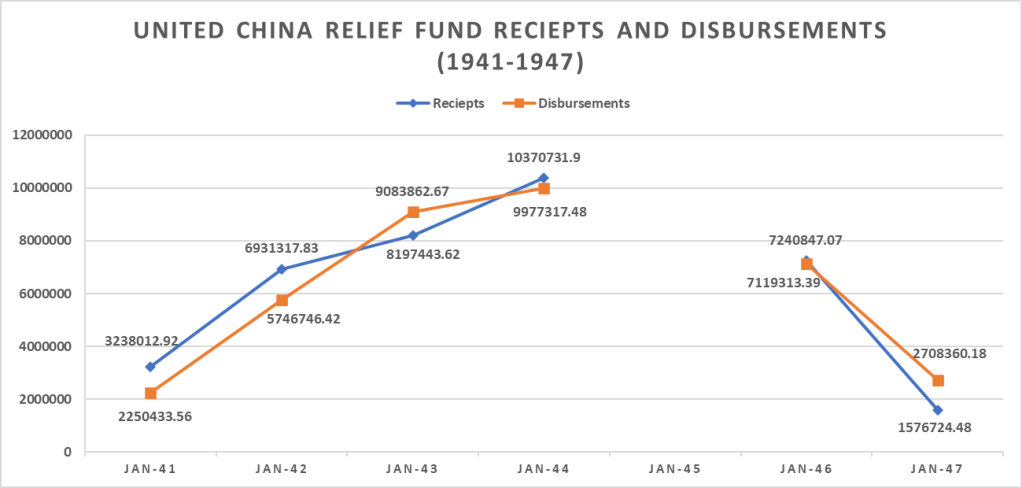
*No data available for 1945.

The United China Relief Fund was a cooperative association that provided aid to China and its people, beginning during the Second World War in 1941 and continuing until 1949. The above graph shows the receipts, or money donated, to the United China Relief Fund and disbursements, or money used by the fund. These disbursements were used for all types of aid to Chinese citizens, such as medical and public health projects, child welfare, education, reconstruction, disaster relief, and rehabilitation.